
Taking a short walk after you eat can naturally help control blood sugar spikes and support better diabetes management throughout your day.
Get More Information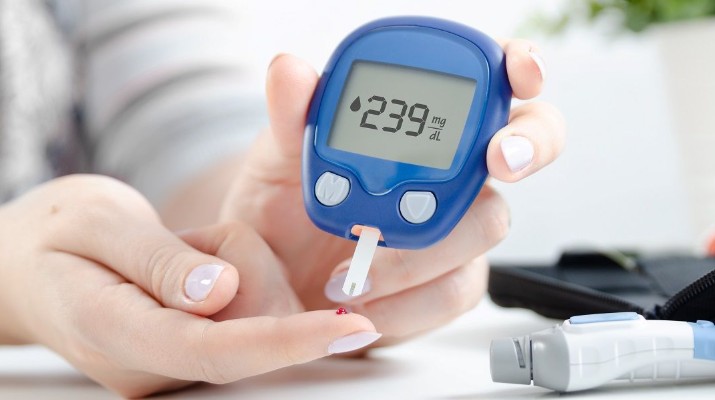
After you eat, your blood sugar naturally rises as your body breaks down food into glucose. This is when your body needs help managing that incoming sugar most. Walking during this critical window activates your muscles, which then pull glucose from your bloodstream to use as fuel.
Think of your muscles as glucose sponges. The more you use them, the more sugar they absorb from your blood. This natural process happens without requiring additional insulin, making it particularly valuable for people managing diabetes.
The timing is key. Starting your walk within 15-30 minutes after eating captures the moment when blood sugar begins rising, helping keep levels from climbing too high.
Start small and build consistency. Here's a practical week-by-week approach to develop a sustainable walking habit:
Each walk triggers a cascade of beneficial changes throughout your system.
Walking right after meals prevents the sharp rise in blood sugar that can occur when you remain seated, keeping levels more stable.
By helping your body process glucose more efficiently, walking prevents the tired feeling that often follows meals.
Regular post-meal walking contributes to lower A1C levels over time, indicating improved long-term glucose control.
Regular activity helps maintain muscle mass, which is important for glucose metabolism and overall strength.
Walking releases tension and promotes relaxation, which indirectly supports better blood sugar management.
Some people find that consistent walking allows their doctor to reduce medication dosages as control improves.
Walking requires minimal equipment, which makes it accessible to nearly everyone. A supportive pair of shoes is your main investment. Choose shoes with cushioning and good arch support to protect your feet during daily walks.
Comfortable clothing appropriate for the weather is helpful. Layers work well since you may warm up during your walk. If walking outdoors, consider reflective elements for evening walks to stay visible to traffic.
Many people find a simple pedometer or phone app helpful for tracking steps and progress, though this isn't necessary to get the health benefits. The most important equipment is your commitment to regular walks.
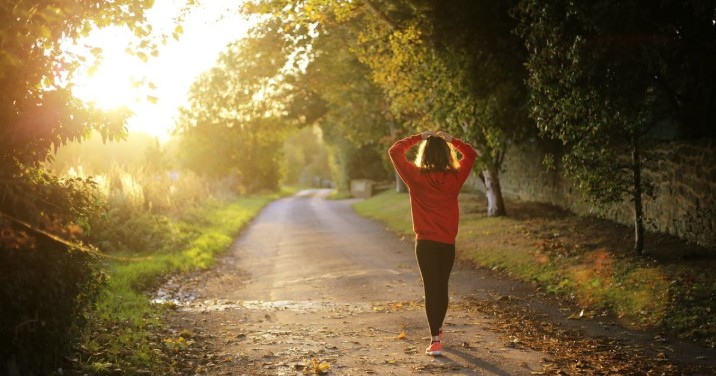
You don't need to walk fast or far to see benefits. A gentle, regular pace that you can maintain comfortably works just as well as vigorous exercise for blood sugar management. What matters most is making walking a reliable part of your daily routine.
Your body responds best to regular patterns. Walking after the same meals each day creates a rhythm that your metabolism can adjust to, leading to better overall glucose control than sporadic intense exercise sessions.
"I started walking just 10 minutes after dinner. Within a month, my evening blood sugar readings dropped by an average of 40 points."
— Manish Agarwal, Surat
"The simplicity of it surprised me. No gym, no equipment - just a walk around my neighborhood after meals changed everything."
— Pooja Krishnan, Coimbatore
"My whole family joins me now for evening walks. It's become quality time together while helping my health."
— Harish Bose, Guwahati
"I used to feel sluggish after lunch. Now I walk for 15 minutes and return to work feeling alert and focused."
— Sneha Chopra, Jaipur
"My doctor reduced my medication after seeing how well walking controlled my numbers. I wish I'd started years ago."
— Kumar Patel, Vadodara
"Walking gave me a sense of control over my diabetes that I hadn't felt before. It's empowering to see the immediate results."
— Divya Menon, Trivandrum
Have questions about starting a walking routine for diabetes? We're here to help you begin.
hello (at) riyiles.shop
+91 291 6574 2938
72, Residency Road, Jodhpur 342001, Rajasthan, India
Ideally, start your walk 15-30 minutes after finishing your meal. This timing helps catch the blood sugar rise before it peaks.
Walking after each meal provides maximum benefit, but if you can only manage once daily, choose the meal that typically causes your highest blood sugar reading.
Start with a very gentle pace and a shorter distance. Even a slow 5-minute walk provides benefits. Your body will adjust to post-meal activity over time.
Yes, any light physical activity works. Household chores, gardening, or gentle stretching all help muscles use glucose. Walking is simply the most accessible option for most people.
Check your blood sugar before and 1-2 hours after eating on days you walk versus days you don't. Most people see a noticeable difference in their post-meal readings.